
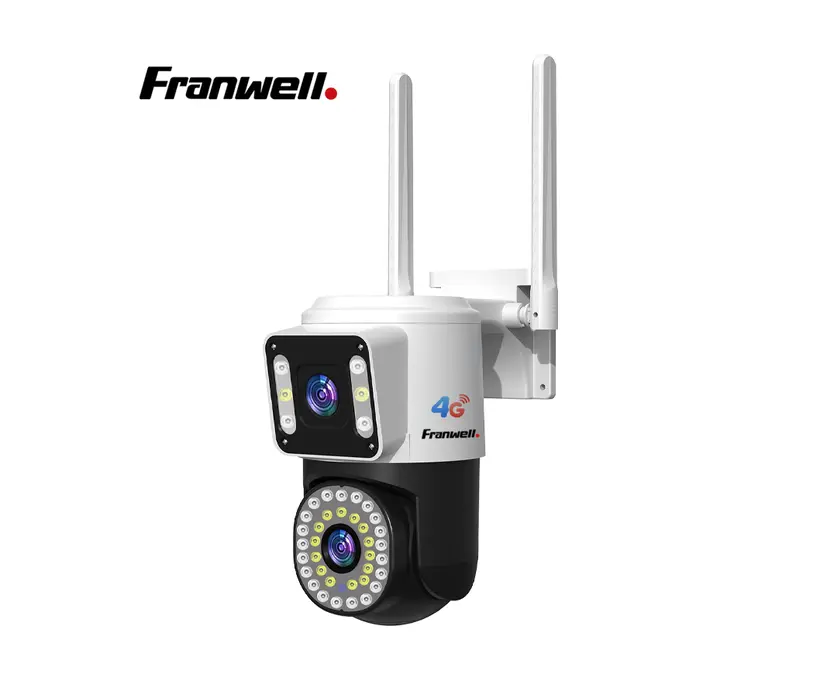
The best camera depends on the exact mounting point. Record the available network, power, weather exposure and priority view before comparing models.
Homes and apartments
Start with doors, shared spaces and the route a visitor would take. Indoor WiFi cameras suit rooms with a stable router connection, while outdoor areas require a model designed for the expected exposure.
Avoid pointing cameras into neighbours' private spaces. Place indoor cameras where family members understand their purpose and can reach the power connection safely.
- Entry direction and face visibility
- Router signal at the mounting point
- Safe indoor cable route
- Privacy of family members and neighbours
Shops and small businesses
Prioritise entrances, payment areas, stock access and closing-time visibility. Busy scenes create more events and can use storage faster, so plan retention using realistic activity rather than an empty-shop test.
A wider overview helps understand movement, while a focused angle can show a specific counter or door. Confirm that lighting does not place faces against a bright window.
Warehouses
Metal structures, shelving and long distances can weaken WiFi. Test signal at installation height and at the far end of the intended coverage. Large spaces may need several cameras rather than one high-mounted camera.
Identify loading doors, restricted zones and major aisles. Plan maintenance access so cards, connectors and lenses can be checked safely.
Farms, gates and remote sites
These locations often depend on 4G and solar power. Test the mobile operator at the exact point and check that a solar panel can receive direct sunlight. Vegetation, dust, rain and moving branches can affect both power and alerts.
Set a realistic live-view habit to control data and battery use. Mount the camera high enough to reduce tampering but not so high that people and vehicles become too small to identify.
One-page pre-installation record
Keep these notes with the selected model and installation photo.
- Location and purpose
- WiFi or mobile signal result
- Power source and cable route
- Day and night viewing distance
- Lens direction and blind spots
- Storage target and maintenance schedule
Compare the models that fit your site
Choose the connection and power first, then compare coverage and functions.